
I stood in front of my closet this morning, coffee in hand, doing what I always do: picking the piece that reads intentional without trying too hard. But lately something else has been on my mind — not clothes, but hair. Or rather, what happens before hair looks the way it does.
For years, like most people, I judged hair by what you can see in the mirror: smoothness, shine, whether frizz held its ground through a commute. I fought roots and maintained styles that made my hair look healthy, even though I barely thought about what was happening underneath.
Recently I have noticed a shift in how we talk about hair care. More people are paying attention to scalp health and how much it influences growth, strength, and the overall quality of your hair. It has made me rethink my own routine — not just as styling or maintenance, but as care that starts at the foundation.
The Cultural Shift in Hair Care
Beauty routines are softening. Where perfection used to drive our choices, there is now a focus on longevity and balance. Minimalism and sustainability shape decisions more than ever, and the emphasis has moved from flawless appearances toward genuinely healthy ones.
This does not mean styling no longer matters. It means many of us value comfort and hair health just as much as aesthetics. I have seen this change in how people approach their routines — long-term health instead of quick fixes.
Modern life is busier, more screen-heavy, and stress affects the body in ways we do not always notice. The scalp is no exception. It makes sense that scalp care is gaining visibility across beauty and wellness spaces.
Why the Scalp Matters More Than We Thought
We tend to focus on the hair we see, but beneath every strand is a living system. Hair follicles depend on microcirculation, nutrients, and overall scalp balance to function properly.
The scalp contains a dense network of nerve endings and capillaries — a delicate ecosystem that plays a major role in hair growth, strength, and appearance.
When scalp health is compromised — whether from product buildup, tension, dryness, or stress — hair can appear dull, fragile, or harder to manage. I think many of us recognize this without connecting it directly to the scalp. We try to repair the hair itself while the real foundation starts below.
Relearning how to care for the scalp is both science-based and sensory. A gentle scalp massage stimulates circulation and releases physical tension we carry without realizing it. Consistent nourishment supports the natural renewal processes happening at a microscopic level. Looking at it this way, hair care becomes less like maintenance and more like a calming ritual.
{{image:cover.webp}}
What to Do About It
Improving scalp health rarely requires complicated routines or drastic changes. In most cases, it comes down to understanding what your scalp needs and building small, consistent habits.
The scalp is skin. It benefits from the same principles as skincare: gentle cleansing, proper hydration, protection from stressors, and steady care.
Technology Meets Gentle Care
Innovations in hair care are making scalp-focused routines more accessible. New tools combine convenience with science-backed support.
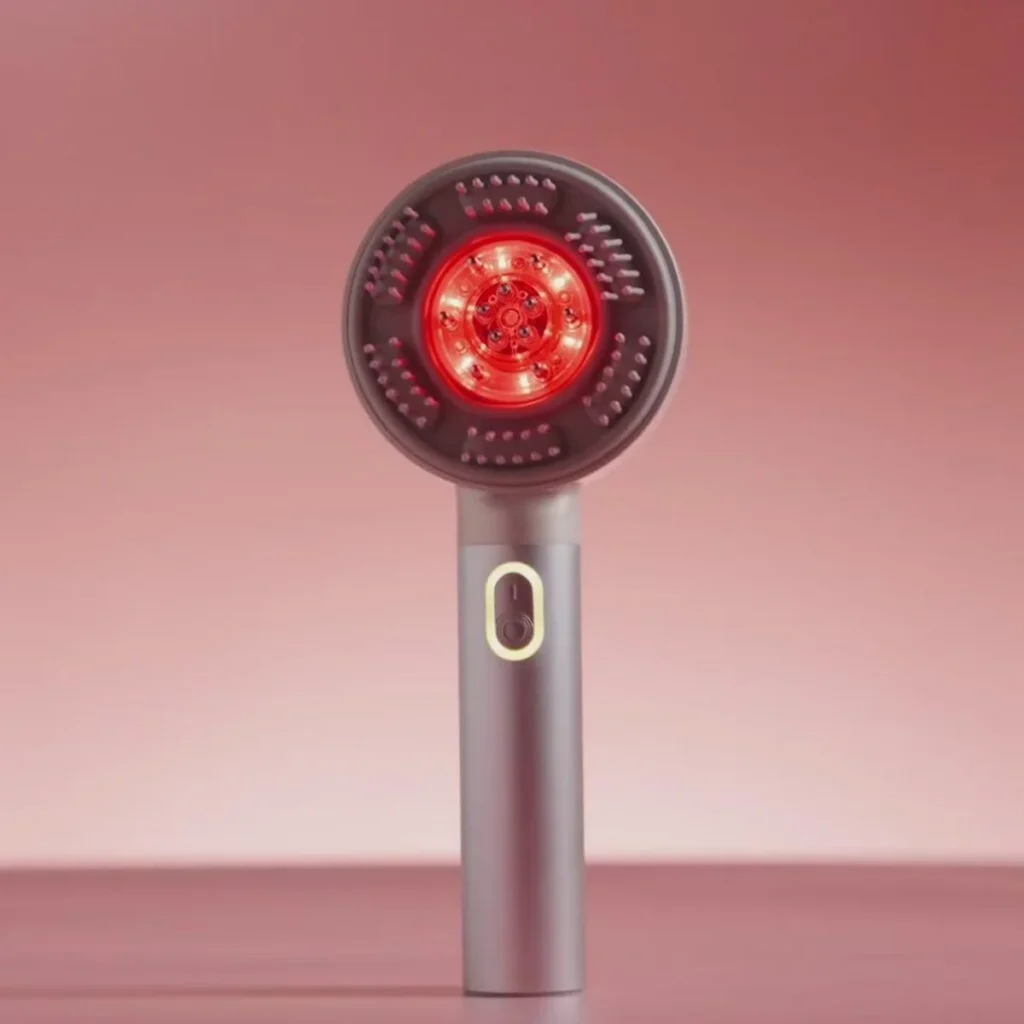
One example is the TYMO TRITHERA, which supports scalp care through red light therapy. The technology stimulates circulation and supports hair follicles, contributing to healthier hair growth over time. A 2014 study published in Lasers in Surgery and Medicine showed that low-level red light therapy significantly improved hair counts in people with androgenetic alopecia.
The device also includes a massage function to ease scalp tension, while detangling teeth glide through strands smoothly to reduce pulling. What makes tools like this practical is how easily they fit into daily life — using one for a few minutes in the evening turns hair care into part of a wind-down ritual. You can also use it during short breaks throughout the day or after washing when the scalp is warm and more receptive.
{{image:image-01.webp}}
Everyday Habits That Support a Healthier Scalp
Healthy hair often starts with small, consistent habits. Many of us rush through hair care during busy mornings, but slowing down even slightly can influence your results over time.
Brushing gently and mindfully, massaging the scalp before bed, or avoiding overly tight hairstyles like a snug ponytail — all of these reduce tension on both the scalp and follicles.
Research suggests that gentle scalp massage may promote hair growth by stimulating blood flow to the follicles, supporting overall scalp health in a way similar to how circulation affects skin elsewhere on the body. Source updated September 2024
Allowing hair to rest from frequent heat styling supports scalp balance and lets natural texture recover. If you still use heat, make sure a proper heat protectant goes on first.
Something I find helpful personally: treat hair care as a moment to pause rather than multitask. Even relaxing your jaw, shoulders, or neck while brushing can reduce the physical tension that often affects the scalp area.
A Simple Three-Step Care Ritual
Step 1: Release through brushing. Before washing, gently brush from the hairline back using a wide-tooth comb or scalp brush. This removes buildup and stimulates circulation.
Step 2: Mind the temperature. Keep both water and styling tools at moderate temperatures. Avoid excessive heat to prevent stress on the scalp.
Step 3: Massage before rest. At night, take a moment for a light fingertip massage. A calming essential oil can help signal your body to unwind.
Choose Products That Support Scalp Balance
One of the most overlooked factors in scalp health is the type of hair products used daily. Many styling and cleansing products focus on appearance — shine, hold — but do not always support the scalp itself.
Overly harsh shampoos, heavy styling products, or formulas that leave buildup can disrupt the scalp’s natural balance. Over time this leads to dryness, irritation, oil imbalance, or flakes, all of which affect hair quality and manageability.
When building a scalp-friendly routine:
- Look for gentle, non-stripping cleansers that remove buildup without drying the scalp.
- Avoid excessive use of heavy styling products that sit directly on the scalp.
- Pay attention to how your scalp feels after washing — tightness, itchiness, or excess oil can all signal an imbalance.
Lifestyle and Scalp Health
Scalp health is not only influenced by external products. Lifestyle factors play a surprisingly important role.
Stress, diet, sleep quality, and hydration levels all influence circulation, oil production, and the overall condition of the scalp. Prolonged stress may contribute to tension in the scalp and reduced circulation, which can affect hair growth cycles.
Supporting scalp health from the inside includes maintaining a balanced diet rich in nutrients that support hair growth, staying properly hydrated, prioritizing rest and stress management, and taking breaks from tight hairstyles.
Signs Your Scalp Needs Attention
The scalp often signals issues subtly, so it is easy to overlook small changes. Common signs of imbalance include:
- Persistent dryness or flaking
- Excess oiliness or product buildup
- Sensitivity or itchiness
- Hair that feels weaker or more prone to breakage
- Increased shedding or slowed growth
Recognizing these signs early allows you to adjust your routine before concerns become harder to manage. Introducing gentle scalp care habits and supportive tools can help restore balance gradually.
Consistency Matters More Than Complexity
One thing I have learned is that consistency makes more difference than using many products at once. A simple routine done regularly tends to outperform occasional intensive treatments.
{{image:image-02.jpg}}
Small habits — regular scalp massage, mindful brushing, or a supportive tool used consistently — contribute to noticeable improvements over time. Building scalp care into existing routines makes it easier to maintain results without adding unnecessary complexity.
Frequently Asked Questions
How often should I focus on scalp care?
For most people, scalp care can be incorporated into regular hair washing routines. Gentle scalp massage or brushing several times a week works well. Deeper treatments or technology-based tools follow product guidance. Consistency is more important than frequency.
Can improving scalp health help with hair growth?
A healthy scalp creates a supportive environment for hair follicles. Results vary from person to person, but maintaining good scalp health through proper cleansing, circulation support, and balanced care may contribute to stronger and healthier-looking hair over time.
What are common signs of poor scalp health?
Persistent dryness, flaking, excess oil, sensitivity, itchiness, or increased hair shedding. These often indicate that the scalp’s natural balance needs extra attention.
A note from Lena: I used to buy trends first and ask questions later — with clothes and hair alike. Learning to look at what is underneath, whether it is fabric quality or scalp health, has changed how I shop and how I feel about my routine.