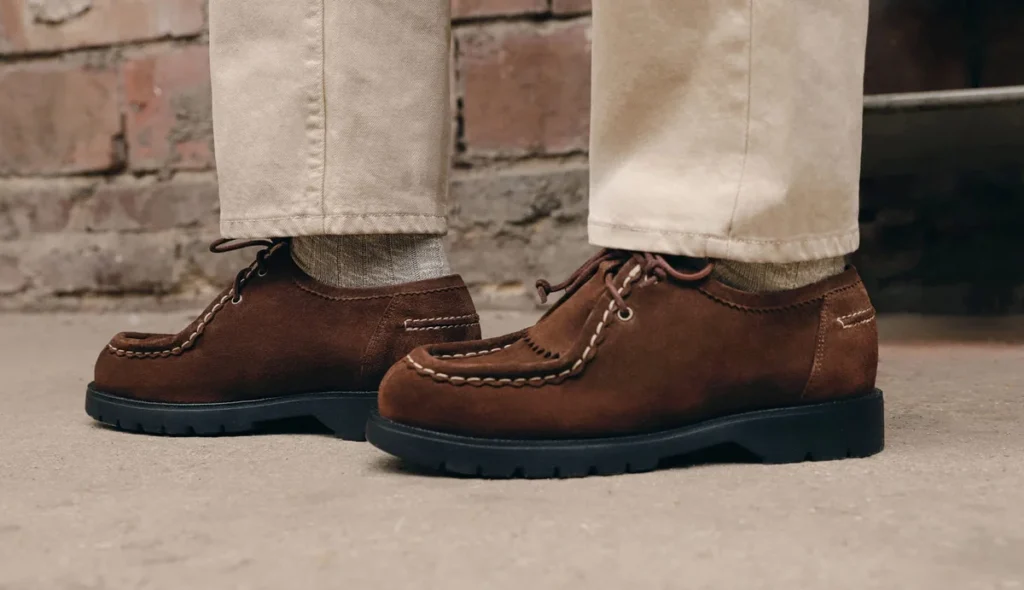
There’s a moment, usually in late September, when you pull on your favourite shoes and hear the first quiet crack. Flimsy soles, precious leather, shapes that only worked with one pair of trousers — summer lets all of it slide. Autumn does not.
So this year I did what I should have done years ago: I stopped thinking about trends and started building a shoe rotation with actual backbone. Characterful enough to lift an outfit, durable enough to survive the forecast. And because I’ve spent five years buying for a department store, I know the best version of that rotation comes from brands that still make things in Europe. That’s why this list leans on Kleman’s autumn/winter 2026 collection — six French-made shapes that do the heavy lifting all season.
Disclosure up front: this is a paid partnership with Kleman, and my words and opinions are my own. But I’d only list what I’d actually wear.
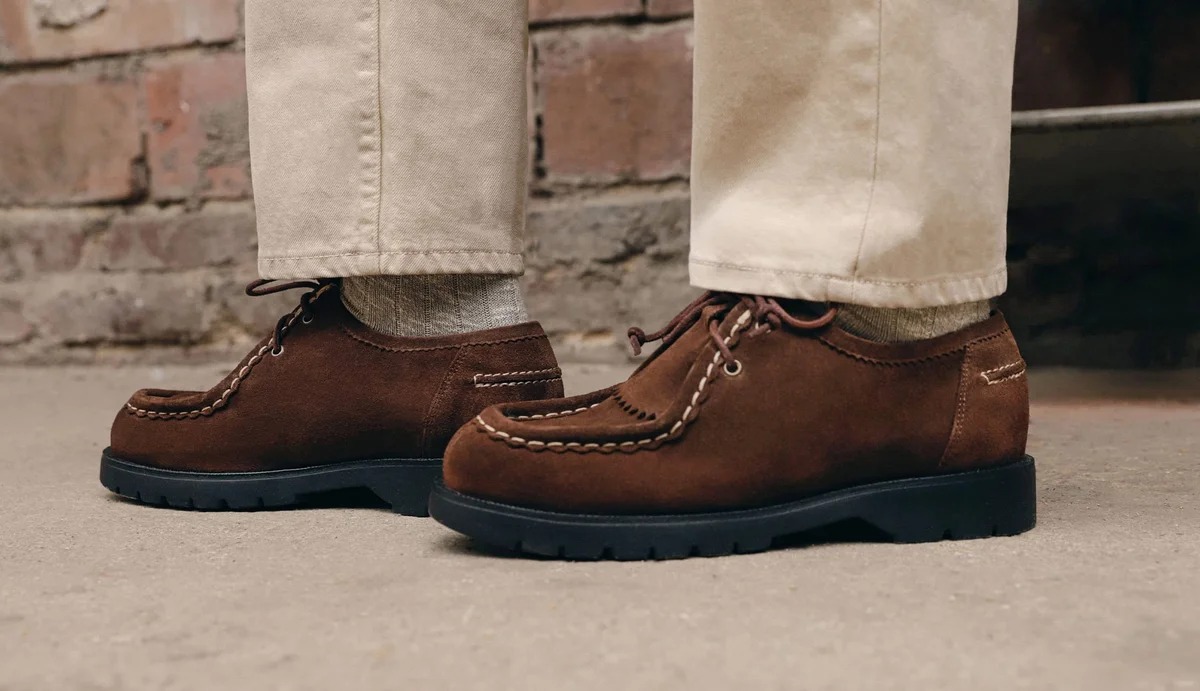
The idea isn’t to buy all six. It’s to understand the six roles a real autumn rotation needs — and then pick the one or two shapes that fit how you actually dress. Get that right and the bottom half of your wardrobe largely takes care of itself.
1. The moc-toe derby: the hardest worker in the closet
A good moc-toe derby looks better the less carefully you treat it. The stitched apron gives the shoe visual weight, the open lacing keeps it casual, and the substantial sole keeps it honest. Purposeful, not dressy — which is exactly the point.
Kleman’s leather Padror is the benchmark. It was created in the 1990s for France’s national railway workers, and it has since escaped the uniform cupboard to become a workwear staple. The serrated welt, the apron stitching, the lugged rubber sole — it has real identity without dictating what you wear above it.
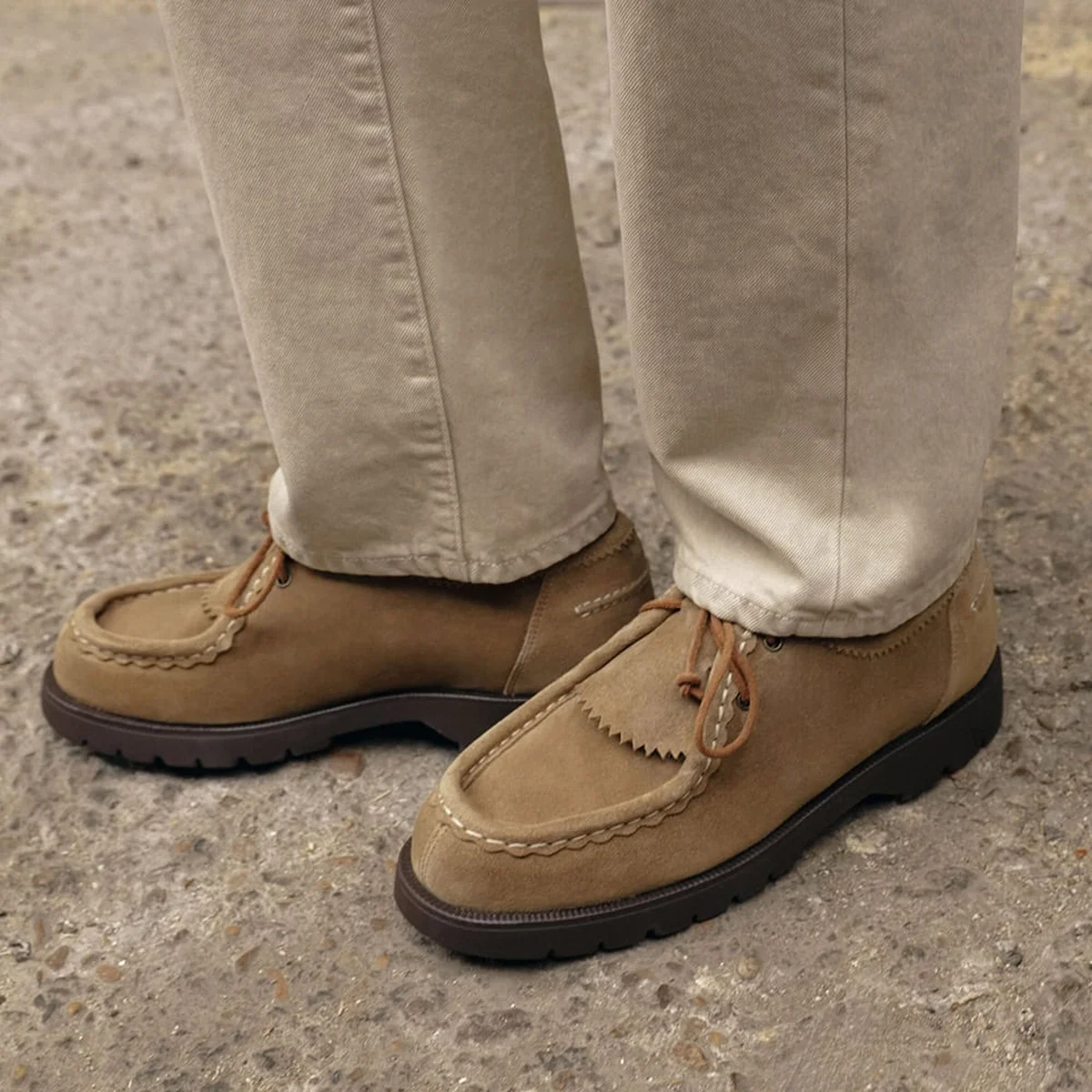
The classic black leather model shows the design at its clearest. But the new-season variations make the case for going softer: the Padror MX V in neutral suede keeps the scalloped edge and the solid sole while feeling lighter and more relaxed. There are dark-brown suede and mixed leather-and-suede versions too.
Black is the most versatile choice. Put some muscle beneath wide wool trousers and a soft blazer, or lean into the railway roots with straight denim, a chore jacket and a heavyweight knit. A few scuffs only improve the story.
2. The chunky-sole loafer: polish with a backbone
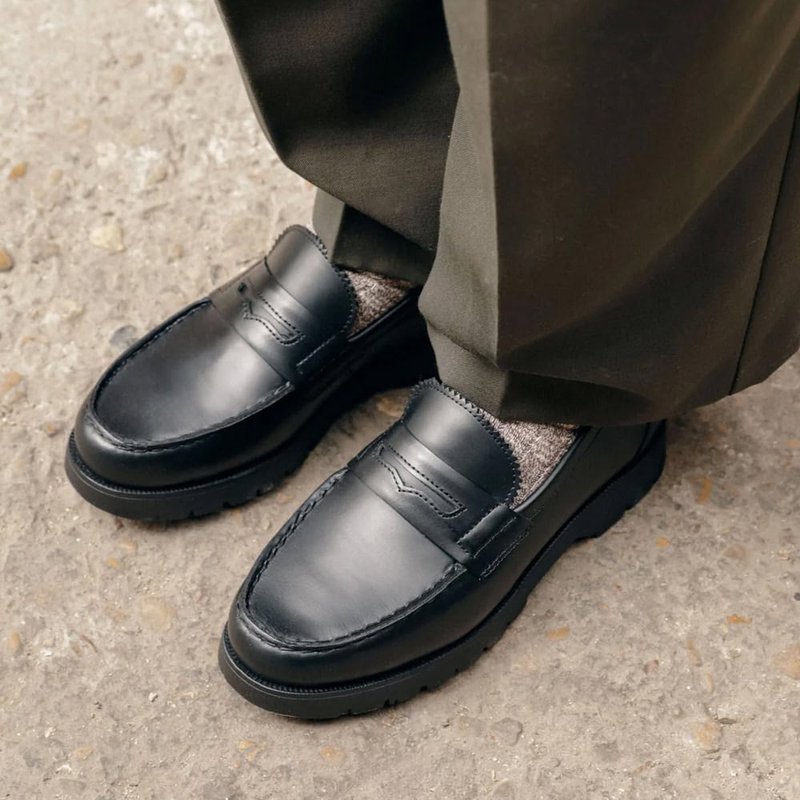
The penny loafer isn’t just for navy blazers and fair weather. Give it a lugged sole and a broader shape and it becomes one of autumn’s most versatile shoes. You keep the ease and polish of a slip-on, but gain enough visual weight to work with denim, corduroy and heavier tailoring.
Kleman’s black leather Cotteur 2 makes the cleanest case, with visible moc-toe stitching and a deep rubber tread. The bordeaux version adds a richer flash of colour, and the mocha Cotteur MX Oaxa VC mixes smooth leather and suede over a speckled, cork-loaded sole.
The styling trick: let the sole do the heavy lifting. A black pair with cropped charcoal trousers and thick socks. Brown or bordeaux with washed denim and olive utility trousers. The contrast is what makes it work — a refined upper, a workwear sole, none of the usual loafer preciousness.
3. The heavyweight boat shoe: preppy, but make it practical
The boat shoe has finally stopped waiting for an invitation to the marina. In its heavyweight form, the familiar moc-toe upper sits on a far more assertive sole, which turns a warm-weather staple into something that handles proper trousers, proper socks and a less-than-tropical forecast.
The Embruns 2 N Sioux does it in soft cognac nubuck. It keeps the low-cut shape that makes deck shoes so comfortable, but the richer texture and grounded proportions make much more sense with autumn layers. Think of it as the missing link between a moccasin and a work shoe.
Try it with ecru denim, a brushed flannel shirt and a navy chore coat, or with wide cords and a chunky cardigan. The extra weight keeps it from looking stranded under layers, while the low profile stays easier and more relaxed than a boot.
4. The plush-suede shoe: texture as a shortcut
Texture is autumn’s easiest styling shortcut. When an outfit is built from muted colours and simple shapes, a plush suede shoe adds depth without asking you to wear anything loud. The finish catches the light, softens a chunky silhouette, and looks particularly good beside dry wool, faded denim and brushed cotton.
For autumn/winter 2026, Kleman pushes the idea in two directions. The Nomade M V Fur turns a strapped penny loafer into something almost slipper-like. The Courrier 2 Fur applies the same fuzzy finish to a more rugged mountain derby. One is relaxed and slightly eccentric; the other looks ready to kick through fallen leaves.
Keep the rest of the outfit texturally restrained. Straight dark trousers, a plain button-down shirt and an unstructured coat give the shoes room to register. Tonal dressing works well too — sand, tobacco, chocolate, olive.
5. The city hiker: outdoor grit, office manners
Not every hiking-inspired shoe needs to look like it’s waiting for crampons. The best city hikers borrow the useful parts — a grippy sole, robust leather, practical hardware — and then lose the bulk of a full boot. The result is comfortable enough for long walks and restrained enough for the office.
The Courrier CG strikes that balance. A black leather upper, metal hooks, a rear pull loop, and a lugged rubber sole that gives it the stance of outdoor footwear. Because the profile stays low, it sits neatly beneath straight or wide-leg trousers instead of swallowing them.
The more interesting styling move is contrast: pleated wool trousers, a brushed crew-neck sweater and a clean raincoat. The outdoor details add grit to smarter pieces without sending the whole outfit into expedition mode.
6. The low-cut worker shoe: presence without the boot
Take the attitude and durability of a worker boot, trim away the ankle, and you have a shoe that can anchor almost anything. This is the pair for days when a polished derby feels too formal and a trainer feels flimsy. It has presence, but it doesn’t make the whole outfit about your feet.
The Major family shows what that formula can do. The black leather Major is clean and dependable. The Major G in tobacco-grained leather is warmer and rougher around the edges. The cognac suede Major VP Oak 2 softens the shape without losing the lugged sole — and its rubber contains 20% recycled material.
Match the volume with straight-leg jeans, carpenter trousers or relaxed tailoring. A cropped jacket keeps the proportions tidy; a long overcoat makes the heavy sole feel deliberate. It’s the sort of shoe that asks very little and gives a great deal back.
Style math: why a rotation beats a closet full of pairs
Here’s the department-store math I wish someone had shown me on day one. A pair you wear forty times a year costs less per wear than a pair you wear twice. That’s the whole game. A $200 pair worn 50 times is $4 a wear. A $60 pair worn five times is $12 a wear — and it will be wearing out at the same time.
So the rotation logic: two to four core shapes, not twelve trendy pairs. A black moc-toe derby, a chunky-sole loafer, and one texture piece that’s fun. Each one works with everything you already own, and each one outlives the season.
FAQ
Are all six shoes really made in France? Yes — every Kleman model in this list is made in France, which is the whole reason the collection earned a spot on the list. If provenance matters to you, that’s your answer.
Do I need to buy the exact models? No. The models are examples. If you find the same shape — moc-toe derby, lugged loafer, low-cut worker shoe — from another maker, the styling logic still holds. The shape is the lesson; the brand is the proof.
Can suede and nubuck survive real winter weather? They survive, with care. They’re not for standing in puddles, but with a waterproofing spray and a rotation that gives them rest days, a suede pair will happily serve you all winter. That’s true of any shoe — rest days are the cheapest maintenance there is.
A note from Lena
Five years of buying taught me that the best shoe in the store is rarely the prettiest — it’s the one that would still look good on my feet in March. These six shapes would. Pick the two that fit your life, and let the season take care of the rest.
More from the rotation: The 10-Piece Edit and how I actually calculate cost-per-wear.