
I was standing at my vanity last night, getting ready for another red light mask session, when a question popped into my head: am I doing this right? If your skin tends toward dark spots or melasma, you probably ask yourself the same thing.
Red light therapy is everywhere now. But whether it helps or worsens hyperpigmentation is not as simple as yes or no. The science points in both directions — and honestly, so do the reviews. So let me untangle this for you.
How red light actually works on pigmented skin
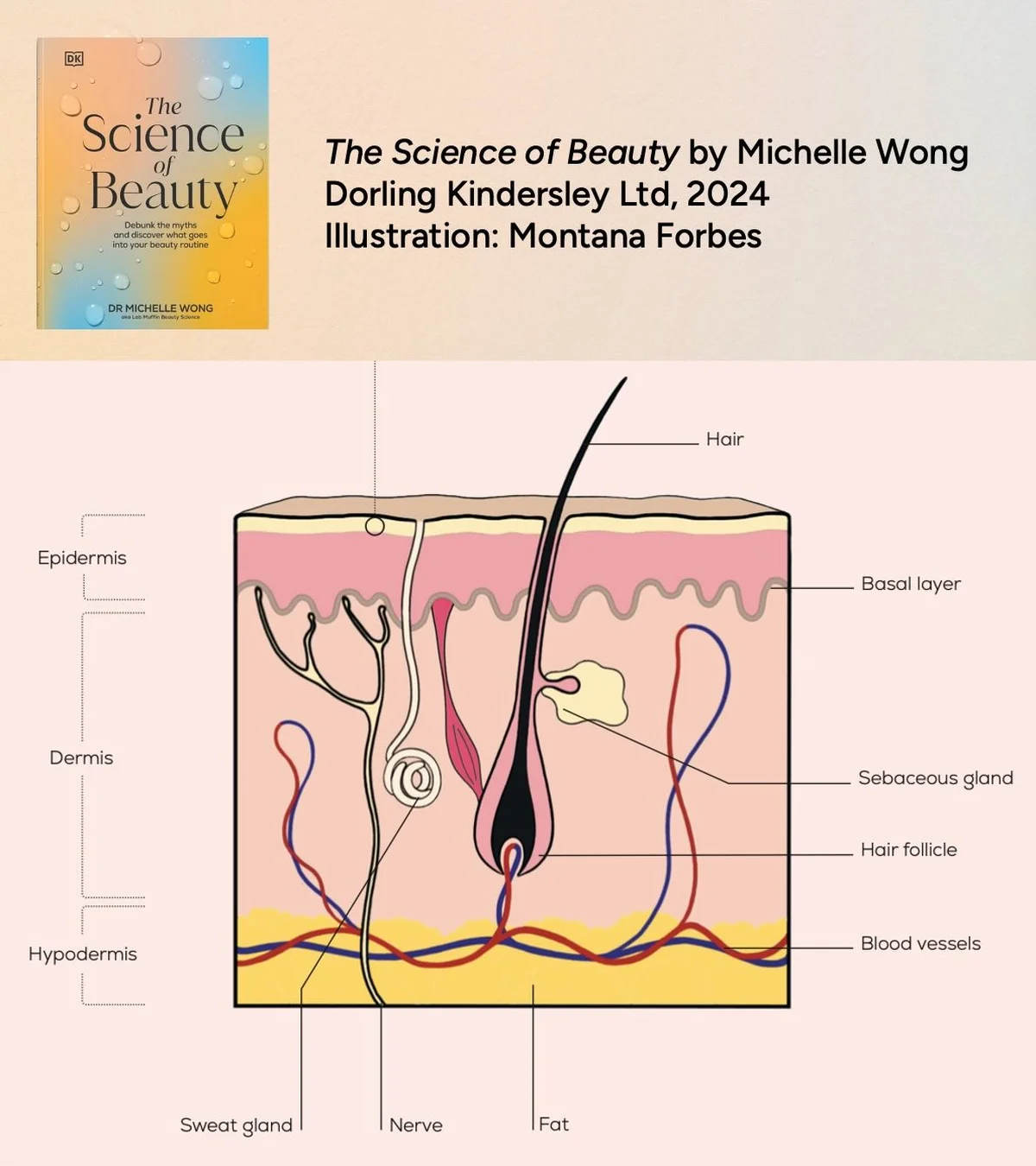
Red and infrared light work by speeding up biological processes — think of them as turning up the volume on your cells. They reach deep enough to stimulate melanocytes, the pigment-making cells that sit at the bottom of the epidermis.
This means red light could do two things at once. It can speed up melanin production, which might darken spots. But it can also speed up skin turnover and calm inflammation, both of which help fade them. The net result depends on your skin and how you use the device.
There is another layer: respiration causes oxidation. Too much light — or too much brightness — can overwhelm your cells’ antioxidant defenses. This is one reason why benefits tend to drop off at higher doses. It also explains why antioxidants remain one of the most reliable ingredient categories for tackling hyperpigmentation.
And light treatments are finnicky. Different wavelengths within “red” and “infrared” carry very different potencies, so not all devices are created equal.
What the clinical data shows
The evidence base for red light and hyperpigmentation is smaller than it is for fine lines and wrinkles. There is also less research on darker skin tones. But what we have is encouraging.
A South African study treated 60 subjects with melasma — mostly Black and Indian participants with Fitzpatrick Type V and VI skin. They used an Omnilux panel delivering 633 nm (red) and 830 nm (infrared) at intensities of 105 mW/cm² and 55 mW/cm², far higher than most masks manage. The results were positive.
The same team ran a smaller pilot study with 6 subjects, all Type VI skin with melasma. Five showed improvement. One experienced darkened pigmentation — but the researchers noted she was using abrasive scrubs at home, which could have aggravated things.
There is also research showing red and infrared light can help hypopigmentation, such as in vitiligo.
What about blue light?
Blue light is a different story. It is well established that blue light increases pigmentation in darker skin types (Fitzpatrick IV to VI). Tinted products containing iron oxides — which absorb blue light — can reduce hyperpigmentation from sun exposure, the main source of blue light for most of us.
The anecdotal picture
When clinical data is thin, real-world experience fills in the gaps. And here the verdict is mixed: some people report darker spots after starting red light, while others see them lighten.
A pattern keeps showing up: when people’s pigmentation darkened, they often used the device more than recommended — every day instead of three or four times a week, or 20 minutes instead of 10. A few noticed darkening after just one treatment before things improved, which mirrors how laser therapy works: initial pigment shedding before clearing.
My own skin is very prone to hyperpigmentation. Over the last four months of using a red light mask a few times a week, my spots seem lighter. I cannot attribute it entirely to the masks — I use plenty of pigment-fading products alongside them — but this was during a summer when my pigmentation usually gets worse, and I had not changed my other skincare ingredients. So it felt beneficial.
Red versus infrared: does it matter?
A lot of people say only infrared worsens hyperpigmentation while red is completely safe. The evidence does quite support that neat division.
The reasoning usually goes like this: infrared generates heat, and heat triggers pigmentation. That makes sense in theory — infrared literally makes molecules jiggle, which is what heat is at a molecular level. But heat itself does not contribute much to melasma or hyperpigmentation until skin reaches about 45 °C (113 °F). For reference, hot water from household taps runs around 50 °C.
Most red light masks do not make your skin that warm. Panels can get hotter, since user error is more common with them — hold it too close for too long and you overshoot the dose. Some people also report darkening from red-light-only devices, which suggests the effect comes from photobiomodulation itself rather than heat alone.
My best guess: going past the beneficial peak causes the issue. Excess oxidation or overstimulated melanocytes could easily outweigh the pigment-reducing benefits when you use too much light for too long.
What I recommend
Darkening of hyperpigmentation is a real but relatively uncommon side effect. If you have spent significant time and money fading stubborn spots — especially melasma, which can be stubborn to treat — avoiding red light entirely is a perfectly valid choice. Not every trend is worth the risk for your particular skin.
If you want to try it, these precautions will keep things on your side:
- Skip blue light or use it sparingly. Blue light mainly helps with acne, and there are plenty of acne treatments without this pigmentation risk.
- Test elsewhere first. Most masks recommend a sensitivity test on the inner arm. I would try it on an area more prone to pigment — like the back of your hand. It is not a perfect proxy for facial skin, but it gives you a sense.
- Start slower than recommended. Instead of 10 minutes three to four times a week, begin with five minutes twice weekly and build up as your skin tells you what works.
- Pick products with solid specs. Look for tested wavelengths and irradiances. Read reviews from people who share your skin tone and concerns. Be wary of brands whose specifications seem vague — some masks produce higher irradiances than advertised, which can cause side effects.
- Simplify your routine before you start. Treat red light like a new product introduction: cut back on potentially irritating actives until you know how your skin responds.
- Use it on bare skin. Applying products under light therapy can cause redness and irritation, raising the chance of post-inflammatory hyperpigmentation. Some ingredients break down under intense light into compounds that irritate.
- Choose a device with a good return policy. Or try borrowing a friend’s first. It costs nothing to test before you invest.
- Experiment with red versus infrared if possible. Some people find one worsens pigment while the other does not. Few masks let you control wavelengths independently, so panels are better for this — though they require more careful handling since leaning slightly closer or further changes your dose significantly.
Frequently asked questions
Can red light therapy make melasma worse?
Yes, it can. Darkening is a potential side effect of photobiomodulation treatments. It tends to happen when the dose is too high or frequency too intense — but for most people, improvements are more common than darkening.
Should I avoid red light if I have darker skin?
No. Clinical studies including Fitzpatrick Type V and VI skin show positive results with LED treatment for melasma. The key is starting conservatively with lower intensity and fewer sessions per week.
How long before I see changes in my pigmentation?
Some people notice darkening after just one session, followed by gradual lightening over weeks. Most anecdotal reports suggest consistent use over several months is needed to judge the effect fairly — though individual routines and overlapping products make it hard to pin down an exact timeline.
A note from Lena: Red light therapy is not a miracle worker, but used carefully it can be a quiet ally for pigmented skin. The trick is patience — both with how slowly your skin turns over and with trusting that less really is more here.