You know the moment. You reach for one skein and pull the whole shelf loose. A cascade of half-used balls, remnant bundles, and mystery purchases tumbles out, and suddenly you’re sitting in a pile of yarn on your bedroom floor.
That’s me. That’s every month.
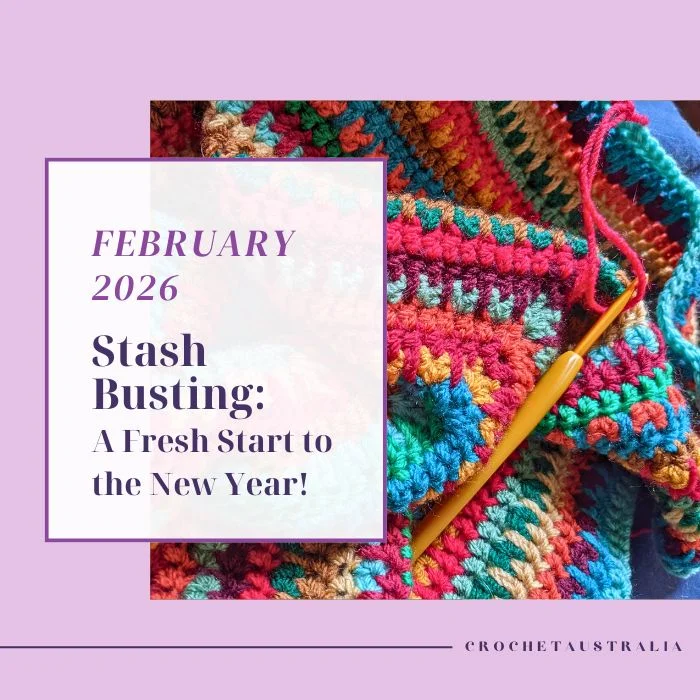
So this month I’m trying something that sounds obvious but never happens: I’m busting the stash. Not buying a single new skein until the old ones are gone. Here’s the plan, and why it’s a better move than another impulse purchase on a rainy afternoon.
Stash busting is a closet exercise
I used to buy the trend first and ask questions later. My yarn shelf followed the same pattern — impulse purchases that caught my eye, “just in case” skeins that somehow multiplied when I wasn’t looking.
Busting the stash is the closet-clearing version of the craft. It’s not about guilt or deprivation. It’s about finding out what you already own and giving it the attention it deserves. Same logic as a capsule wardrobe: fewer, better-used pieces beat a bigger pile.
Where to begin: sort before you stitch
Step one is unglamorous. Pull everything out and sort by weight and fibre content. You might be surprised what you find hiding at the back of the shelf.
Those odd balls of fingering weight (8-ply, if you follow the Australian/UK system) in colours that actually go together? That’s a striped blanket. A pile of leftover sock yarn is practically asking to become a cheerful scrappy scarf or a temperature blanket. Sorting once saves you from the “nothing goes together” spiral every single time after.
Project ideas for every scrap
Granny squares are the workhorse of stash busting. Whether you crochet them or combine yarn into a knitted patchwork, they’re portable, forgiving, and perfect for odds and ends. Each square is a little experiment, and before you know it you have enough for a cushion cover or a lap blanket.
For the tiny amounts — a few wraps here, a nub there — make practical things that make lovely gifts: bookmarks, coasters, dishcloths. Cotton scraps can even become delicate edgings for tea towels or handkerchiefs, a small personal touch on everyday items.
And there’s something genuinely freeing about scrappy projects. No pressure to match dye lots, no need to stay consistent. A multi-coloured cardigan, a vibrant market bag, a whimsical toy — the mixed-up pieces often end up being the ones we keep longest, each one carrying the story of projects past.
It doesn’t have to be a solo project
Stash busting works well as a community effort, too. Organise a yarn swap with friends who also craft, or donate the excess to local schools, nursing homes, or community groups. Your unused stash could spark joy in someone else’s first project.
Style Math: the cost-per-wear of a stash
My favourite numbers game applies here, and it’s a cheat code: stash yarn already cost its money. A market bag crocheted from scraps I own? Cost per wear is zero, and it gets softer every time you use it. That beats any new purchase I could justify this season.
FAQ
What’s the easiest first project for a beginner?
Start with something small and flat: a coaster, a bookmark, or a dishcloth. You’ll get through the awkward sorting phase and you’ll have a finished object in a sitting or two.
What if my stash is mostly one yarn weight?
Even better — you can make one bigger piece. A temperature blanket or a lap blanket uses a single weight cleanly and turns a monochrome pile into something with a story.
Do I have to finish everything I start?
No. Half-finished squares are still progress. The goal is a lighter shelf and a few finished objects, not a museum of WIPs.
A note from Lena
There’s a special satisfaction in finishing something from yarn I’d completely forgotten owning. If you commit to one month of using what you have before adding to the collection, you might fall in love with your stash again.
Keep the momentum going with my guides on building a capsule wardrobe and cost-per-wear: the math behind a better closet.